
A Fermented Food Tour in Japan: Sake, Soy Sauce, Miso, and More in Aichi, Prefecture of Umami
Sample Japanese food culture with a unique Japan travel experience for foodies! Discover Aichi’s fermented food culture, utilizing rich miso, soy sauce, sake, and more, starting with the limited-time-only delicacies of the 2026 Umami Prefecture Aichi Fair.
Aichi: The Heart of Japan’s Fermented Food Culture
In Japan, fermentation is more than a preservation method—it’s the main source of the rich, savory “umami” flavor that forms the foundation of so many iconic Japanese foods. Koji mold, yeast, and bacteria are used to transform soybeans, rice, and grains into the miso, soy sauce, vinegar, and mirin that give Japanese cooking its characteristic depth, not to mention the pickled vegetables brought with most meals, and the sake sipped alongside. For travelers who want to taste this transformative part of Japanese food culture at its source, Aichi Prefecture is an essential stop on the Japan travel itinerary, and the capital of Nagoya is a convenient shinkansen stop halfway between Tokyo and Kyoto.
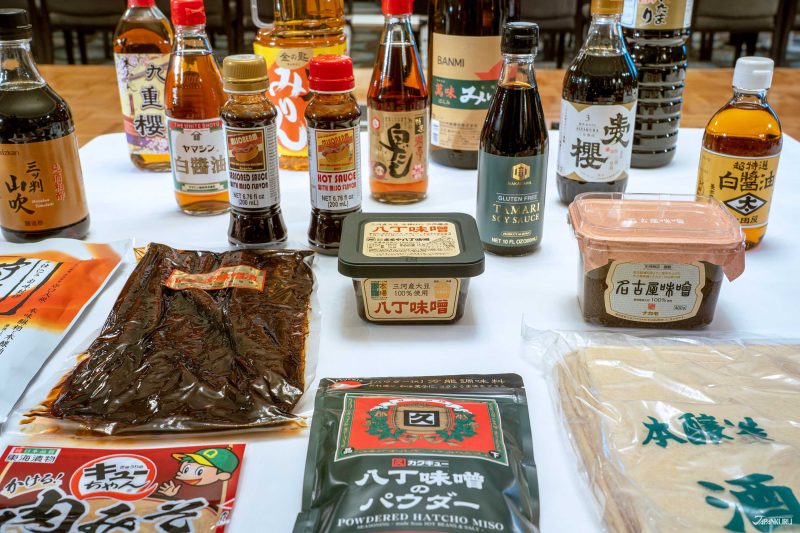
Aichi’s connected culinary ecosystem of locally produced gourmet delicacies has earned it the nickname the “Prefecture of Umami” in Japan, and with local organizations actively working to encourage the local industry, the area is well worth a visit for foodies planning their trip around the flavors of Japan. To find out more, the Japankuru team took a trip to Nagoya to check out some of the region’s best local products, and learn about the “Umami Prefecture Aichi Fair” event, offering diners an eye-opening variety of fresh new takes on Aichi cuisine!
Past: Why Aichi Is a Hub of Edo-Era Japanese Culinary Experiences
Fermentation is a beloved culinary technique around the world, and in Japan, the widespread love of fermented food and drink developed over the course of several centuries. Sake brewing, utilizing koji mold to create a drink with unique sweetness and flavor, took recognizable form in the early 700s. Records of salt-fermented “hishio” sauce (an early ancestor of soy sauce) can be found as far back as the year 701, and the term “shoyu” (conventional soy sauce) finally turned up in print in the late 1500s. Miso-making spread from temples out into the villages beyond in the Middle Ages. Throughout Japan’s history, as samurai fought and culture was formed, fermentation techniques have popped up to be honed and polished all around the country, but the area now known as Aichi Prefecture was particularly well-situated when it came to turning those techniques into an industry.
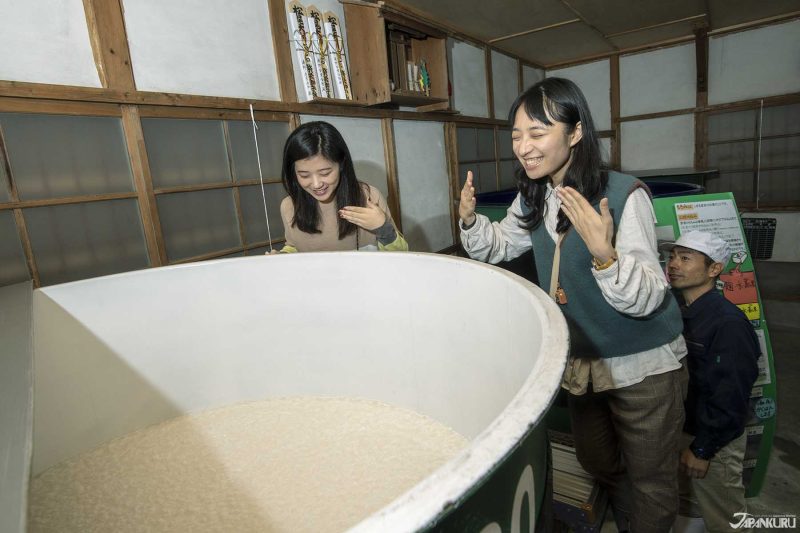

Aichi’s warm, humid climate, fertile land, fresh water, and plentiful salt supplied the conditions and the ingredients to get things bubbling. In the Edo period (1603-1868), social stability and abundant rice harvests helped sake production flourish, and with the coast relatively close by, brewers could ship vast quantities of the region’s sake, vinegar, and mirin to Edo (present-day Tokyo). The industry inspired local makers to develop new and revamped products. Rare white soy sauce, now a local delicacy, is said to have originated in what is now Hekinan, Aichi in the late Edo period. Sake production encouraged the creation of new kinds of vinegar and mirin, while leftover sake lees found another life in pickles. Soybean-based recipes became the standard for creating the region’s now-famous miso paste, which helped locals popularize tamari—traditionally a byproduct of the soybean-miso production process, and now a flavorful soy-sauce alternative favored by gluten-free food lovers around the world. Looking at the larger picture, Aichi’s origins as the “Prefecture of Umami” feels inevitable.
Present: Fermentation-Focused Dining in Nagoya & Beyond
Capitalizing on a wealth of local products, Nagoya’s modern culinary scene has become heavily influenced by fermented flavors. So it’s no challenge for travelers to sample this classic cuisine, whether the schedule includes a full tour of Aichi Prefecture, or just a quick lunch stop in Nagoya. Some of the local standards are miso-katsu, crunchy fried pork cutlets topped with a seriously savory and lightly sweet miso sauce, as well as miso-nikomi udon, a noodle dish simmered in a deliciously salty miso-flavored broth that’s much more intense than your usual miso soup.
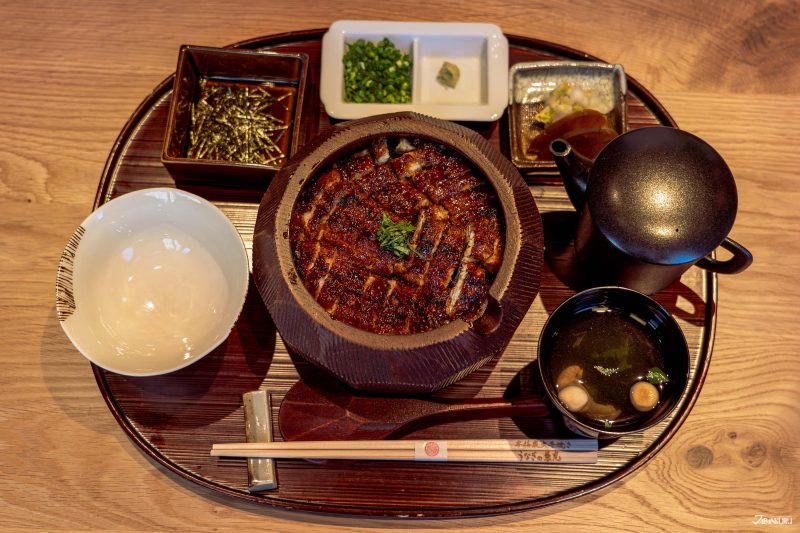
But even regional delicacies like hitsumabushi use eel glazed in soy sauce and sake! And in recent years, local initiatives have pushed to preserve traditional production techniques, while encouraging innovative uses for all the region’s fermented products—as can be seen quite clearly within events like the Umami Prefecture Aichi Fair.
The Umami Prefecture Aichi Fair
Aichi’s culinary history has become a prefecture-wide tasting menu for the Umami Prefecture Aichi Fair, being held from September 8th to October 24th, 2026. At a glance, the event involves 21 different restaurants and cafes serving special event creations for just a limited time, each one featuring locally made fermented ingredients.
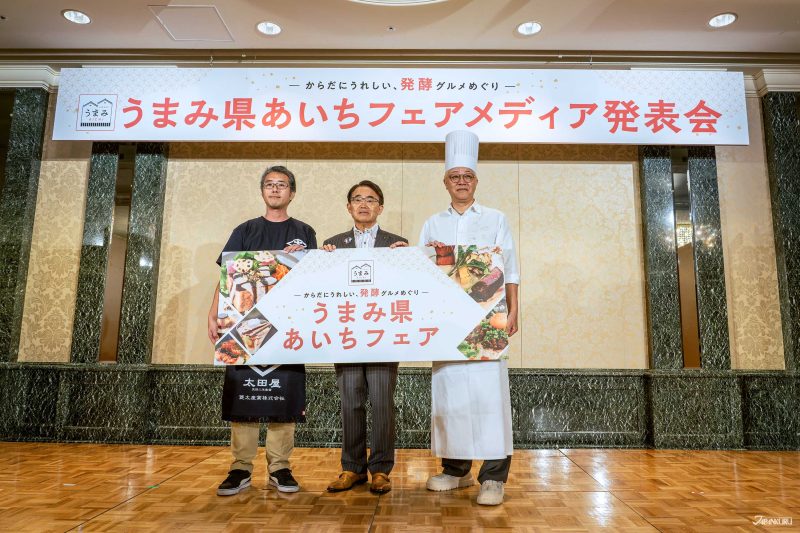
At a press conference before the event kick-off, Chef Hironobu Tsujiguchi of patisserie Fortissimo H championed the undertaking by explaining how exciting it had been to try combining Aichi’s fermented ingredients to develop new recipes, hoping to bring uniquely Japanese flavors to a broader audience. Tsujiguchi’s final product for the fair is a financier teacake stuffed with sweet potato and mochi, and enriched with premium Chokokusen White Soy Sauce from the local manufacturer Otaya. Kyohei Ota, Representative Director and President of Hishita Sangyo (which owns Otaya), also expressed how thrilling the experience was, and how delightfully surprising Tsujiguchi’s ideas were, from using the lightly sweet white soy sauce in cakes, to pairing it with fruit or chocolate. For diners ready to see what Aichi has to offer a passing foodie, this event promises a lot of fun innovation, with 3 overlapping sections to explore:
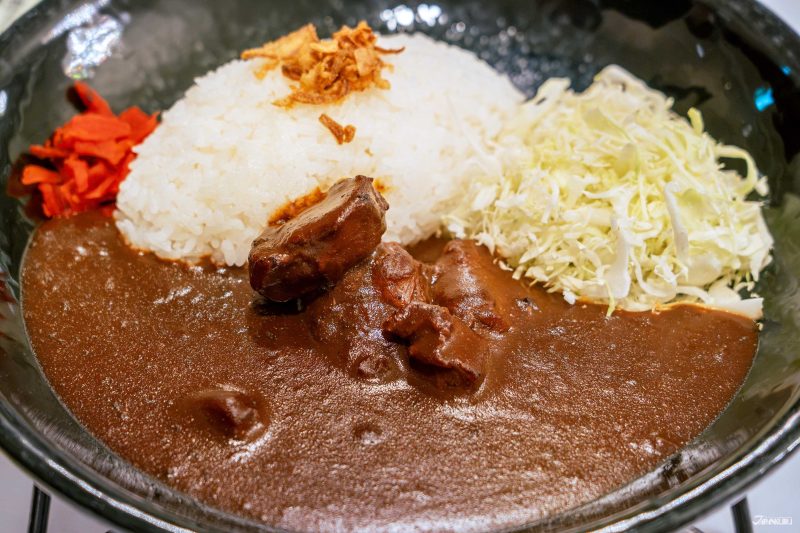
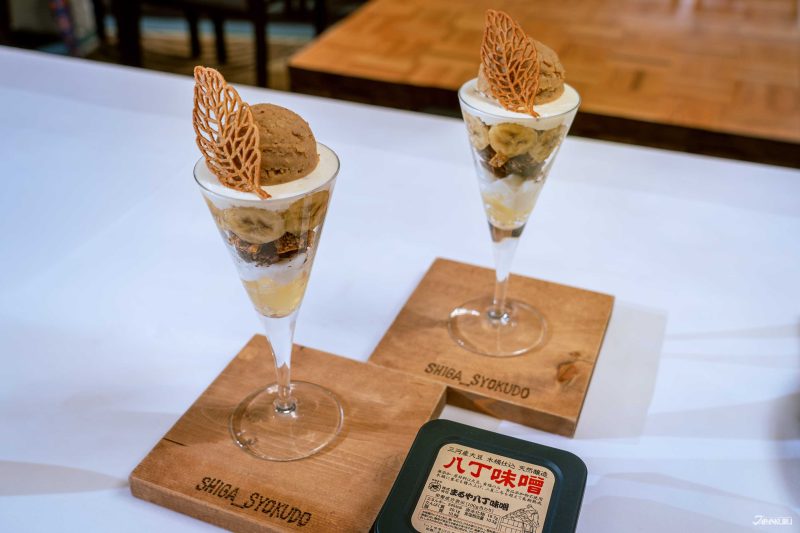

Restaurant Fair, Phase 1 | Sep. 8 ~ Oct. 2: The event begins with eleven eateries across Nagoya, Inuyama, Okazaki, Chita, and Toyohashi. Offerings include savory dishes like a black wagyu curry made using Sato Brewery’s Miso Beam sauce (at Ikeshita Cafe Hanagoyomi), as well as a number of sweet surprises, like the Nagomi Financier cakes at Fortissimo H, and a nut and Hatcho miso parfait at Shiga Shokudo in Okazaki.
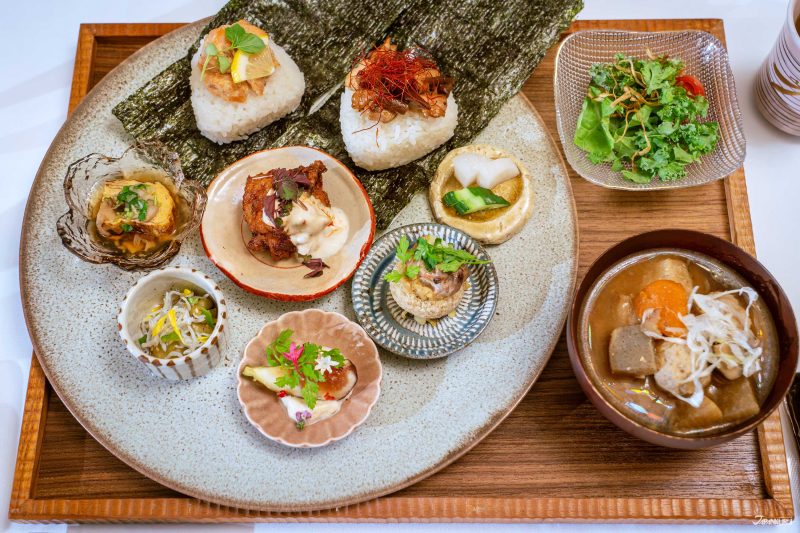

Restaurant Fair, Phase 2 | Oct. 1 ~ 24: Five venues take the experiment in new directions, like the aesthetically pleasing platter at Omusubi-dokoro Kojitaro in Nagoya featuring sautéed chicken thigh with Maruka Jozo’s Wild Burdock Pickled in Hatcho Miso with Aromatic Yuzu, and a classic custard pudding at Coffee and Dining Totto, which uses hon-mirin from Naito Brewery to create a fragrant caramel.
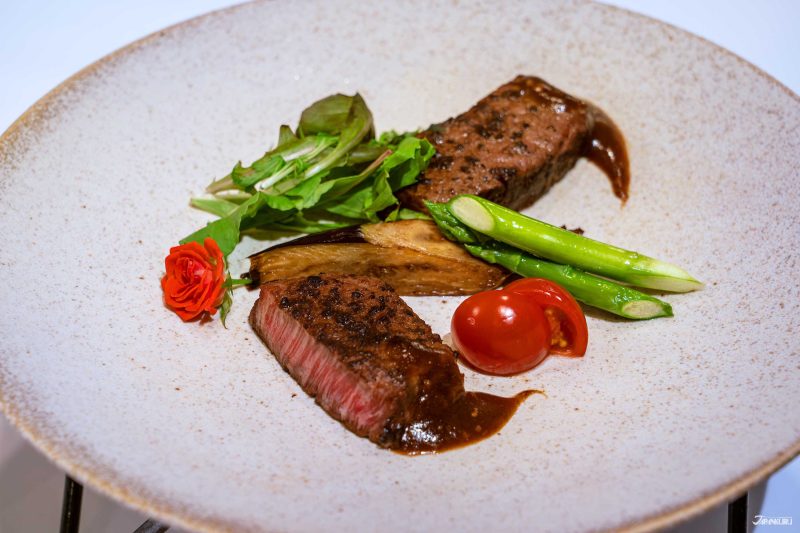

Hotel Fair | Sep. 19 ~ Oct. 24: To round out the event, five hotel restaurants are translating local ferments into polished autumn plates, like in Toyohashi, where Restaurant Lin-Ka has reimagined a classic Chinese dish as roasted Mikawa beef with Hatcho miso powder. For a sweet treat, Kyoto Tsuruya (at the Nagoya Marriott Associa Hotel) has turned Mizkan’s aged rice vinegar into a tart jelly for a fruit cocktail, sourced from the greater Tokai region.
If you want to make the most of the event, the schedules overlap for the most options on October 1st and 2nd, but there are a lot of tempting options throughout the 47-day period. Find all the details on the official website below!
Future: Plan Your Own Aichi Fermented Food Tour
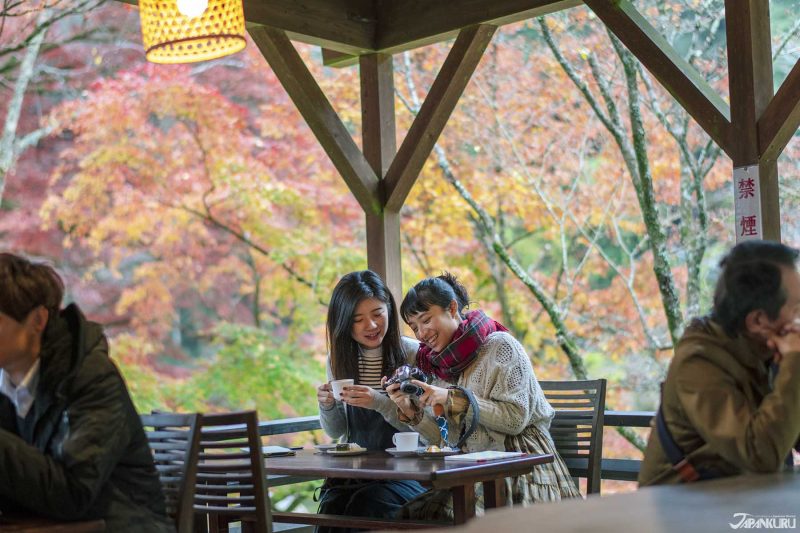

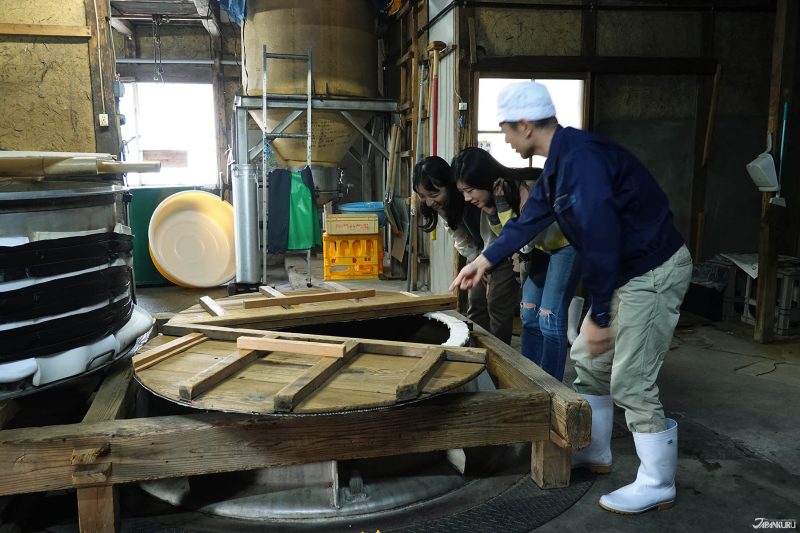

Events like the Umami Prefecture Aichi Fair show off an underlying “pantry” of local delights, which means even long after this fun limited-time event is over, there’s a lot of great flavors for travelers to explore in the area. Alongside soybean miso, tamari, and white soy sauce manufacturers are sake breweries sustained by the Kiso and Yahagi river systems, vinegar producers linked to Handa’s brewing history, pickles of all shapes and sizes, and much more. That variety offers the kind of food tour route that would leave any foodie’s mouth watering—leading from the historic Hatcho miso storehouses in Okazaki, to the canals used to transport vinegar in Handa, the sake heritage of the Chita Peninsula, and countless trendy restaurants in Nagoya. Many producers offer tours or tastings, so you can explore Aichi’s food culture with all five senses, and see exactly what goes into making those umami-rich flavors you love so much.
▶︎ For a few ideas of where to go first, you’ll find a few recommendations on the Aichi Prefecture of Umami website!
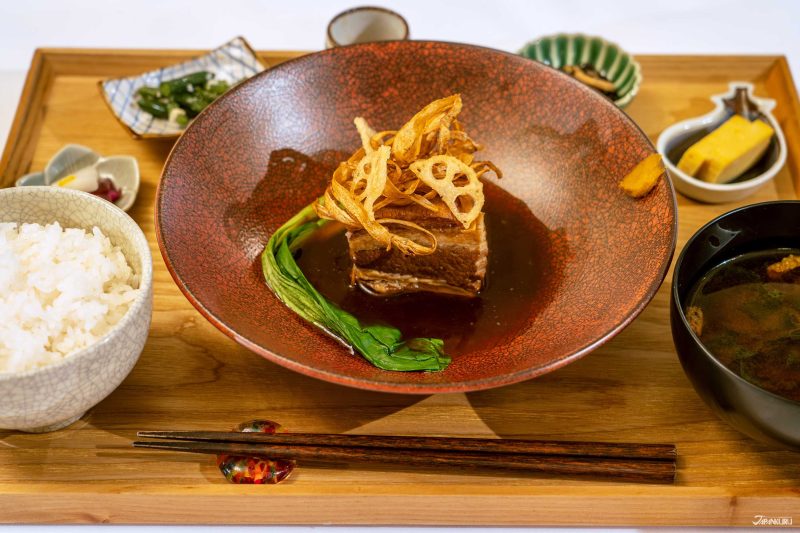
Aichi makes the mostly invisible work of fermentation wonderfully tangible. Its past survives in wooden vats, old brewing towns, and flavors matured over months or years. Its present is clearly represented by the chefs who give those flavors unexpected forms. And its future rests with makers and cooks who treat tradition not as a museum piece, but as an ingredient. For travelers hungry to really understand Japanese food, and not merely eat it, Aichi is an umami destination!
For more info and updates from Japan, check Japankuru for new articles, and don’t forget to follow us on X (Twitter), Instagram, and Facebook!
Latest News
A Fermented Food Tour in Japan: Sake, Soy Sauce, Miso, and More in Aichi, Prefecture of Umami
29 September 2026
5 Must-Buy Japanese Chocolates and Gummies: Matcha, Exclusive Products, & Other Japanese Candy Recommendations from Kevin
28 September 2026
Where to Shop in Ikebukuro | Seibu Ikebukuro Main Store Shopping Guide
22 September 2026
Autumn 2026 Japanese Cosmetics Shopping List | New Fall Makeup & Japanese Blush Recommendations From CANMAKE
21 September 2026
Where to Buy Kids’ Clothes in Japan: Children’s Clothing and Baby Essentials Shopping at Birthday
20 September 2026
Don Quijote Recommendations From Kevin Chou: Health & Beauty Picks From Japan, For Everyday and Travel!
19 September 2026
The Yokohama Air Cabin: Japan’s Retro-Futurist Way to Traverse the City
09 September 2026
Japan’s Trendiest Shopping Neighborhoods | The Best Shopping in Tokyo & Osaka
07 September 2026
5 Best Japanese Movies to Watch Online
04 September 2026
Golf Gear Shopping in Japan: Great Deals on New and Used Golf Equipment in Tokyo That Golfers Won’t Want to Miss!
31 August 2026