
Sukiyaki vs Shabu-Shabu: What Is the Difference?
Sukiyaki and shabu-shabu, two kinds of Japanese hotpot, similar yet different!
Outside of sushi and ramen, sukiyaki and shabu-shabu are among the best-known Japanese dishes. Both are rooted in hotpot cuisine, tend to use thin slices of marbled Japanese beef, and are perfect for cold weather. But the similarities end there!
Different Histories
Sukiyaki and the Introduction of Meat Culture in Japan
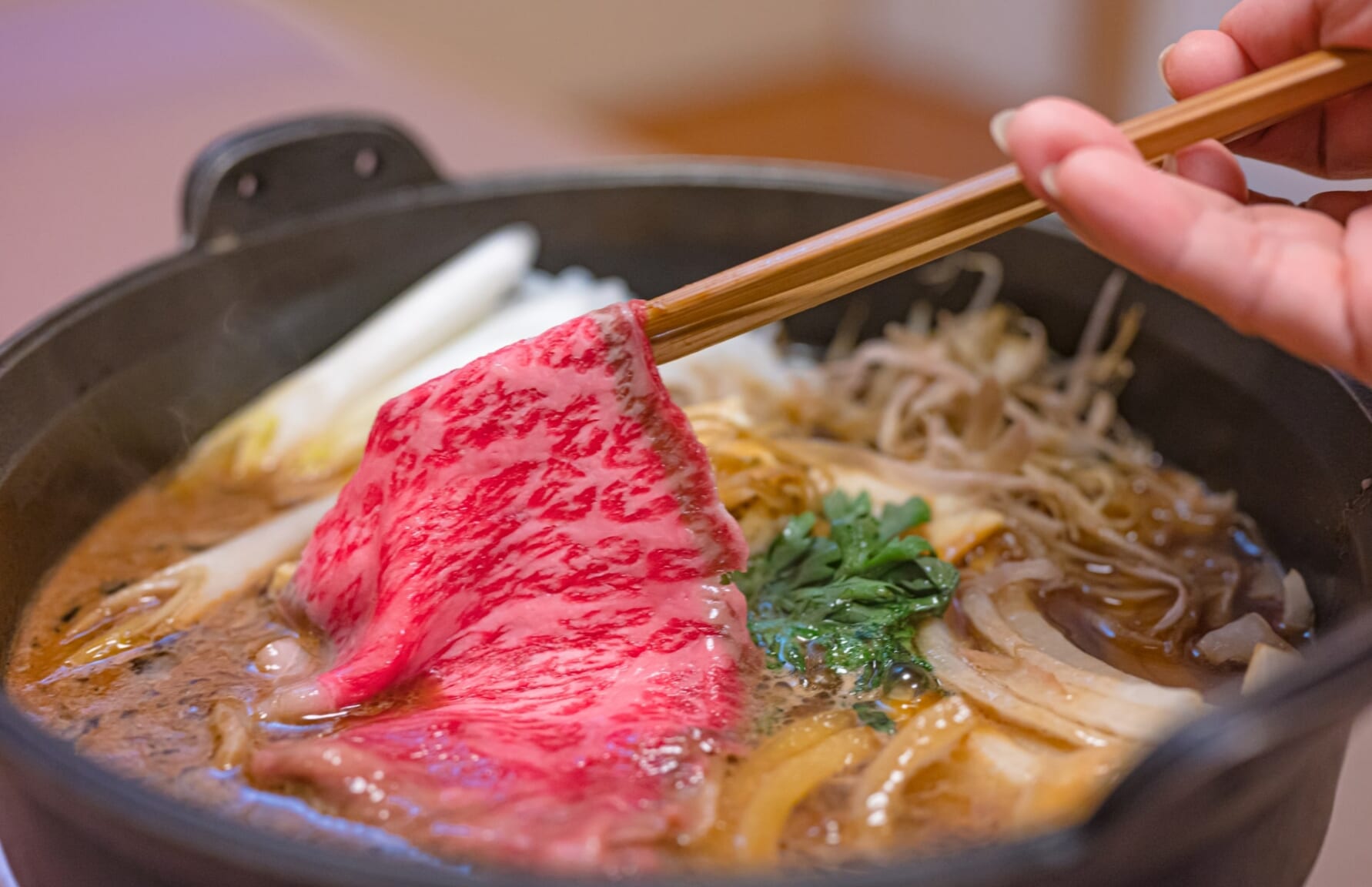
Sukiyaki (鋤焼き) dates back to the Meiji era (1868-1912). “Suki” refers to a kind of shovel once used to grill food, and “yaki” means grilled. As Japan opened up to foreign influences around the turn of the century, eating beef became more accepted, and sukiyaki, which involves stewing meat in a shallow pan, became popular.
Shabu-Shabu, a Postwar Discovery
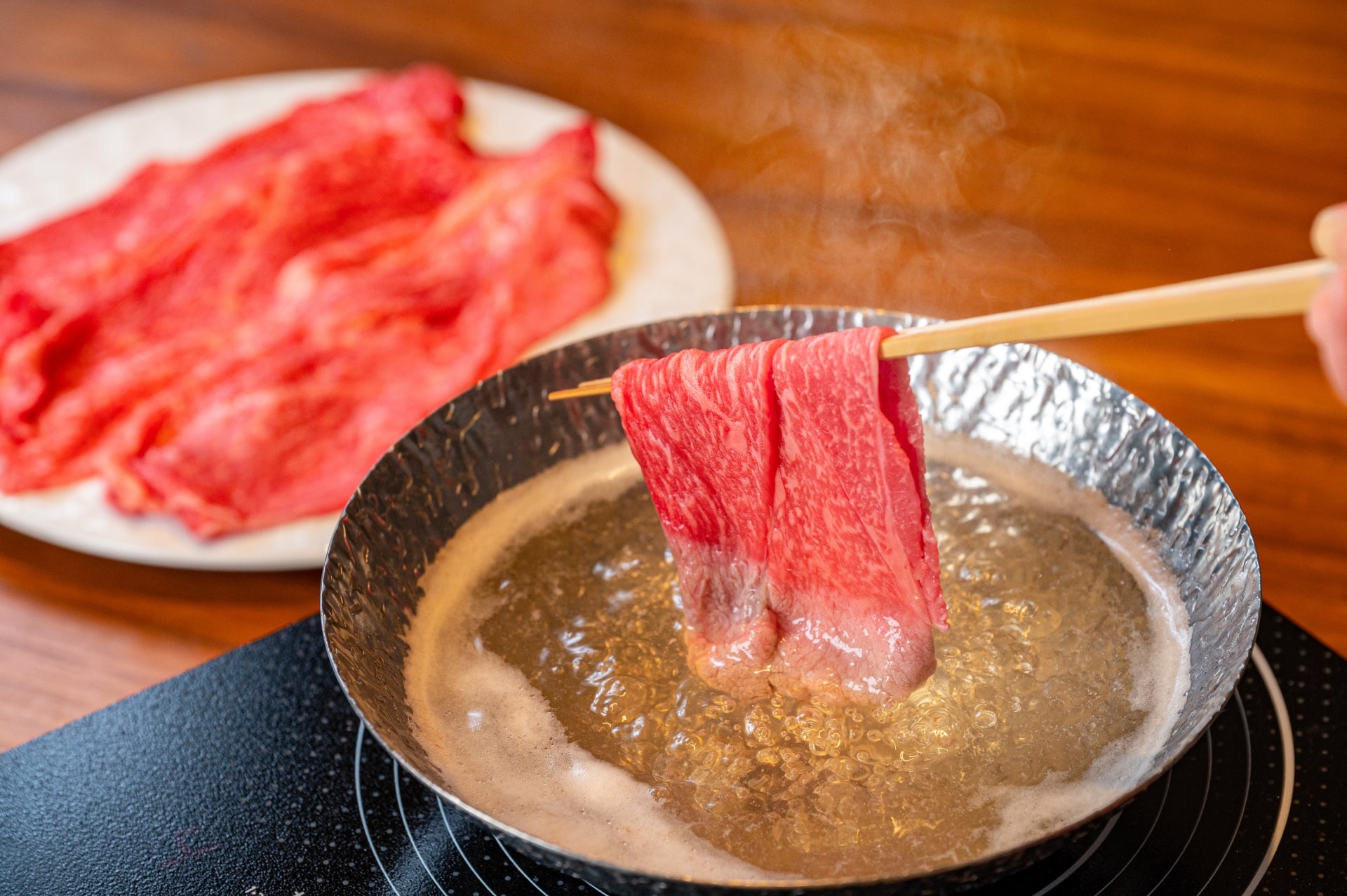
Shabu-shabu (しゃぶしゃぶ) is actually a more recent invention – inspired by a Chinese mutton hotpot, it was brought to Japan from Beijing by Shoya Yoshida after WWII. A Kyoto chef later adapted the recipe using beef and local flavors, and in 1952, a restaurant in nearby Osaka coined the name “shabu-shabu,” an onomatopoeia for the swishing motion of dipping meat in broth. Though beef is most common, pork is also a popular main ingredient.
Meat Slicing
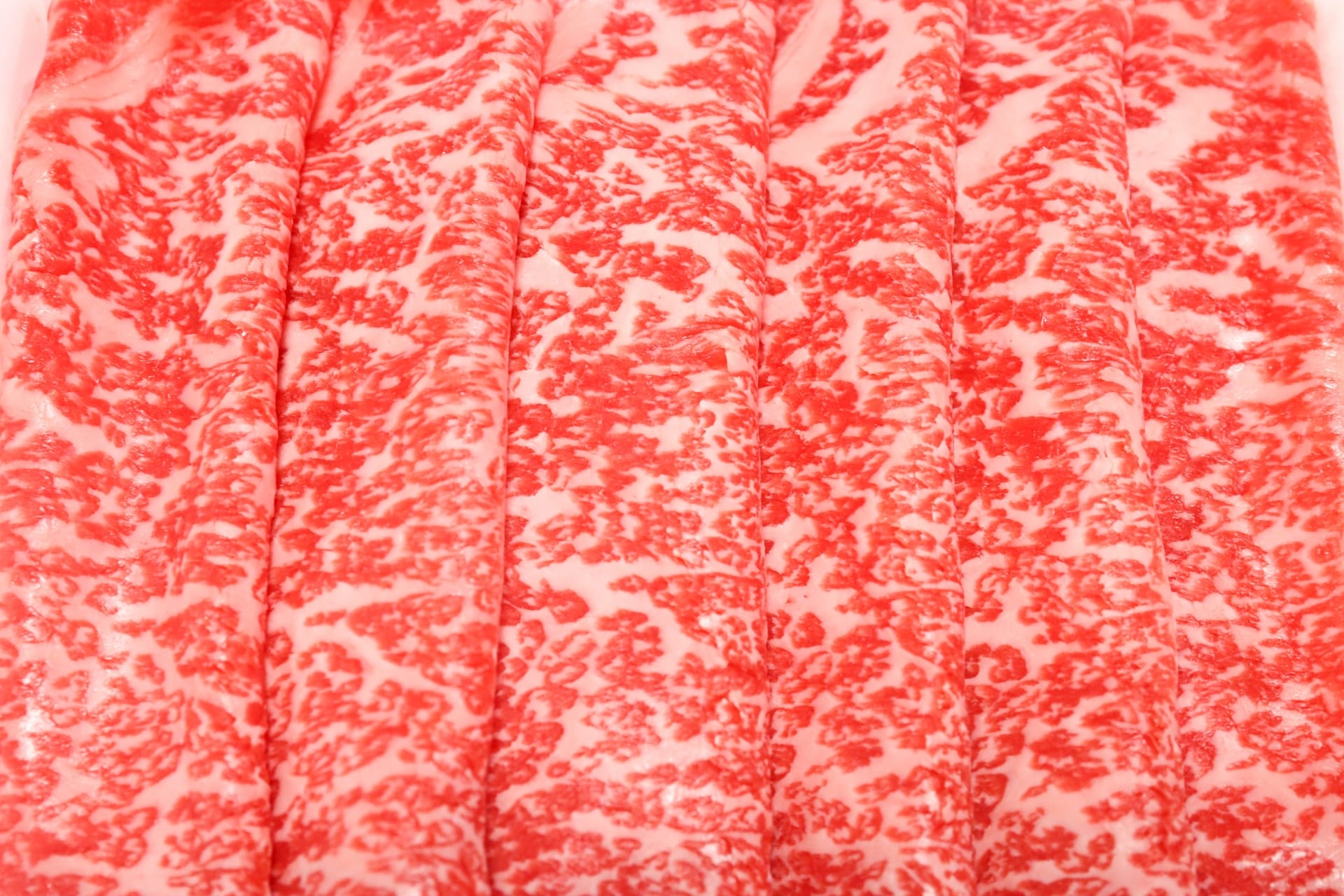
Although the meat itself is usually the same, sukiyaki meat is sliced slightly thicker (1.8~2.5 mm) to stew longer, while shabu-shabu slices are thinner (1.5~2.0 mm) to cook quickly in broth.
Differences in Ingredients and Flavor
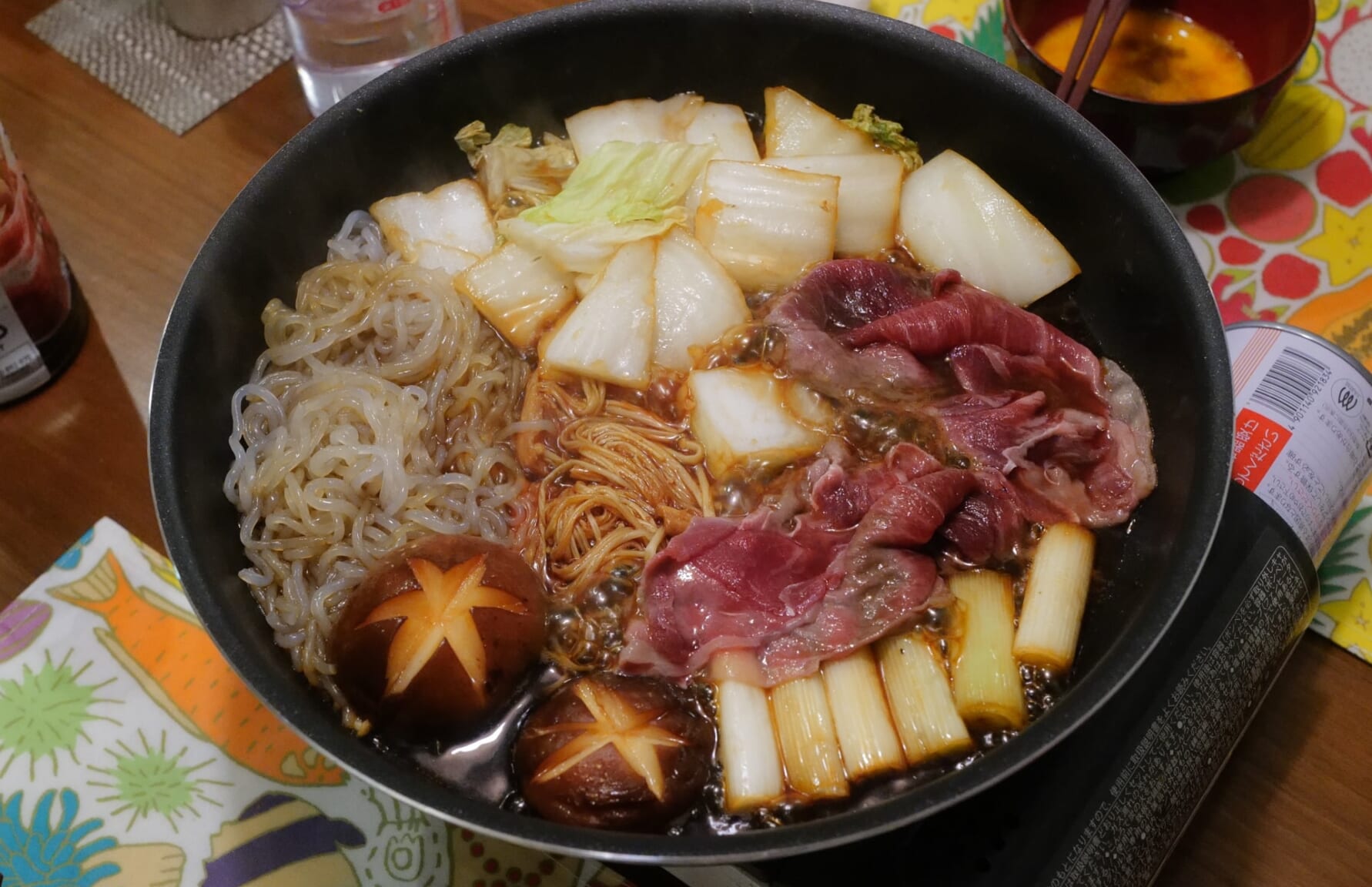
Sukiyaki usually includes tofu, Chinese cabbage, green onions, mushrooms (shiitake/enoki), and noodles (udon or shirataki). Everything simmers in a thick mixture of soy sauce, mirin, sake, and sugar. The cooked meat is generally dipped in raw egg before eating.
For shabu-shabu the meat is swished in steaming kombu-based dashi to cook, then dipped in either ponzu or sesame sauce. The meat is often accompanied by vegetables like onions, carrots, cabbage, mushrooms, tofu, and usually served with rice.
Seasonal Traditions & Serving Methods
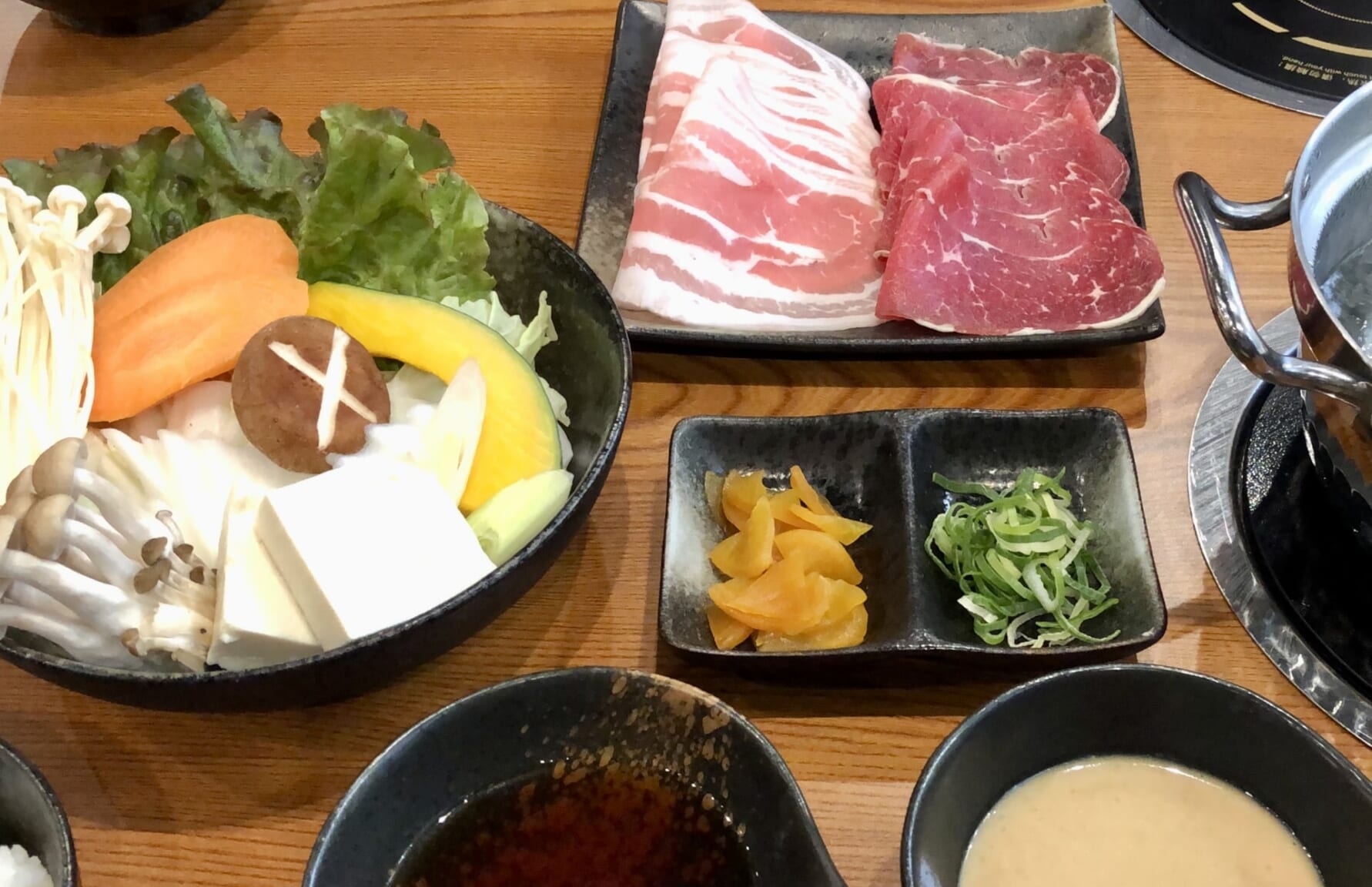
Specialty restaurants serve both varieties of hotpot year-round, but traditionally sukiyaki is more closely associated with winter. Even at restaurants, both dishes are often cooked at the table on a small stove. Unlike many other hotpots, ingredients are added and cooked while eating, making the meal interactive and fun.
Once the sauce (sukiyaki) or broth (shabu-shabu) comes to a boil, vegetables are added first, followed by the meat. At the end, noodles (sukiyaki) or rice (shabu-shabu) can be added to the pot to finish the meal.
Both forms of Japanese hotpot are delicious and comforting meals, especially on chilly nights. So unless you’re visiting during peak summer, we recommend trying both during your trip to Japan!
This content has been edited and republished from Japan Web Magazine with permission. The original article was published on Dec 29, 2023. ©2025 Inbound Platform Corp. All Rights Reserved
Latest News
Tokyo Day Trip Rec: Explore Kamakura & Enoshima Using the Shonan Monorail
13 November 2026
Japan’s Ancient Forest Retreat: Everything You Need to Plan a Chichibu Day Trip From Tokyo
12 November 2026
Tokyo Winter Events | 2026~2027 Illumination: Don’t Miss the Final Season of Tokyo Mega Illumination!
03 November 2026
New Shinjuku Hotel Rec: Stay at Tokyu Stay Shinjuku for Convenient Access, Shinjuku Culture, & Retro Tokyo Vibes
30 October 2026
Japan Beauty Shopping Guide: The Best Japanese Sheet Masks for Souvenirs and Everyday Skincare from LuLuLun
25 October 2026
Odaiba Sightseeing Recommendations: A 1-Day Itinerary for Tokyo Waterfront City Using the Yurikamome, From New Odaiba Spots to Tokyo Bay Gems
18 October 2026
5 Top Tokyo Light Up & Illumination Events for Winter 2026~2027
08 October 2026
Tokyo Events in Autumn: See the Spider Lilies Bloom at Yokoamicho Park
05 October 2026
3 of Tokyo’s Best Autumn Flower Viewing Spots in 2026
04 October 2026
A Fermented Food Tour in Japan: Sake, Soy Sauce, Miso, and More in Aichi, Prefecture of Umami
29 September 2026